
The symbolism of opposing archetypes coexisting in this story.
Blending personas for balance reduces anxiety. Each has their place and role to play. A committee.
Dawn Anima- island girl, names: Anchor and Ungula, walks and lives by the vast unconscious ocean, warm, balmy, trapped, longed for touch of creativity, the foreign stranger, the sleeper, the place where we belong, fresh, new, faith, servant, victim and savior simultaneously, unblemished, pure, shining, sacrificed, newborn, the heart, stifled, positive female opposite of Lamia, not linear time conscious- eternal round or seasonal, imagination, tender, surrendering, the crying girl, sheltered, afraid to play, protected by a wall, endangered, lonely, suffering, homeless, lives in a suitcase, sad, frank, unusual, unconventional, caged, quarantined, mysterious, artistic, charming, genuine, betrayed, unmoving, silenced, invisible, longed-for, undiscovered, suppressed, child-like, fragile, new birth, rejected, immigrant, Gentle Dreamer, creative, hurt, hidden, bitten, stung.
Dusk Anima- Dawn Anima’s lusty and sensual sister, vigorous, strong, sturdy, stout, stirring, arousing, stimulating, sexual, sensuous, pleasing, delightful, loving, erotic.
BENXUS- blessed union, unification, holy joining, wholeness, fulfillment, completeness, integration, autonomy.
The Tree of Life- mandala, self.
Shiloh- The City of Belonging, surrounded by high brick walls, the archetypal home of all these characters. It is claimed to be in bad disrepair. The Dragon is reported to live there. The city is symbolic of self like the tree of life.
The Wise Old Man- true self, subconscious guide.
Zingara- A dusk anima, literally gypsy woman. She is the wise old man’s daughter.
Somer Krest- wise old man’s symbolic name at mid-life
The Phoenix- symbol of creation and destruction, transcendence, combination of 3birds, the Eagle the Swan, and the Parrot.
The Scarab- symbol of creation and destruction, resurrection.
Yew Rue- literally “sorrow”.
The Dragoness (devouring mother)- see Lamia.
Morgan- a Jungian shadow archetype, a man whose dreams have all deserted, not beaten yet, strong, tough, fighter, winner, trapped in circles, longs for revenge, Lamia is his female nemesis, Morgan like her is also a devourer, warrior, macho male cowboy, impatient, lives off creativity also a parasite but he doesn’t kill the mind, unfeeling robot like, angry, linear time conscious, feels Lamia, his mother, controls his life, calculating yet impulsive, imprisoned in the gears of life, thief, miserable, cursed, searching for escape, enigma, trickster, The Navigator, Gun Fighter, somber, male myth- destructive, grieving, alone.
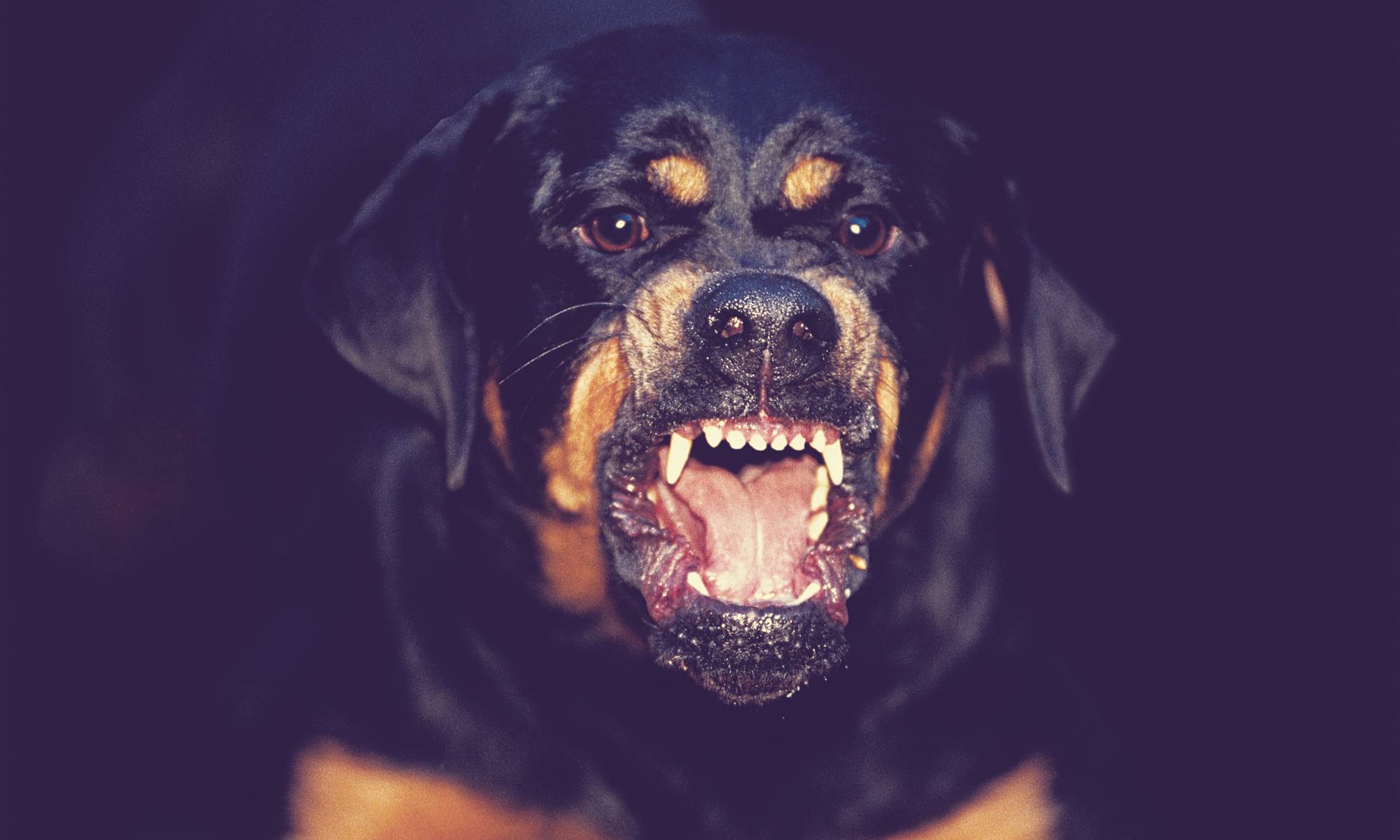
Lamia- Devouring mother, evil, Morgan’s nemesis, paradox, two-faced black widow, a negative anima figure, beautiful, seductive, another negative form of the Dawn Anima archetype, devourer, siren, murderer of creativity, vicious, merciless, killer, witch, transforming element, female myth- uses passion to control, deceptive, untrustworthy, snake, venomous, insatiable, destructive.
The Hideous Damsel- another manifestation of the Dawn Anima but in a negative form, doubt, despair, gloom, dread, the gate keeper, suffering, dying, ugly, repulsive, lonely, tormented, unsightly, waiting, hoping, lives in a suitcase, kept in captivity all her life, awaits the transformation into Ungula when the Dragoness is slain, frozen potential of creativity and happiness.
Ungula- One of the more familiar archetypes is that of the “divine child” which should not be confused with the so-called inner child, which represents the child personality we sacrificed on the altar of adulthood. The inner child often embodies a playful creative side of self that shows up in dreams as a fully formed child who has already acquired the skills of walking, language, and so on. The divine child archetype, by way of contrast, is an embodiment of the transformational power that propels us along the path of personal growth that Jung called the individuation process. It is also a symbol of our total self, as opposed to the limited sense of self that Jung called the Ego or the limited personality of our childhood.
Anchor, a divine child, became the rightful heir to Shiloh the Golden City and the Throne. Ungula means talon or claw of the bird of prey. Ungula is an archetype of the wise young medicine girl. She represents man heeding his sensitive nature. A symbol of trusting and expressing fearlessly hidden feelings. She represents a milestone in the mortal journey. She awakens the sleeper. She is a liberating pilot who gives meaning to life. She symbolizes learning from subconscious emotional experience. There is an internal part of every man which is wise, young, beautiful, and eccentric like Ungula.
Even though a young girl, Ungula seems older. Men enjoy talking to her. Her choices and reactions are predictable because they come from inside man himself. Her natural intuition and inbred instincts are the same as man’s sensitive self. She is like exploring a genetic mirror. She is the part sleeping for so long. She represents the sleeper inside. By setting her free, man frees himself. She is a healing re-energizing spark.
Ungula is the antithesis of the Hideous Damsel. The Hideous Damsel when freed from captivity is transformed into Ungula. The Hideous Damsel is the dozing sleeper or repressed emotion. Ungula is expressed emotion. Ungula is an anima figure representing freedom of creative expression.
The word ungula is not far distant in sound from the word unglue. Unglue meaning no longer stuck. Stuck meaning abandoned. Ungula means, therefore, no longer abandoned. The Hideous Damsel has been imprisoned, forgotten, and abandoned for a long time. Ungula means no more isolation.
The Sleeper- The Sleeper is repressed emotion in the unconscious mind. The Sleeper also represents depressive heavy tiredness and it’s source. It represents the struggle for expression and contact. The Sleeper awakens when the Hideous Damsel is transformed to Ungula when the Dragoness dies.
